

Enshi Grand Canyon
Enshi Grand Canyon – A Compact, Dramatic Alternative to Zhangjiajie
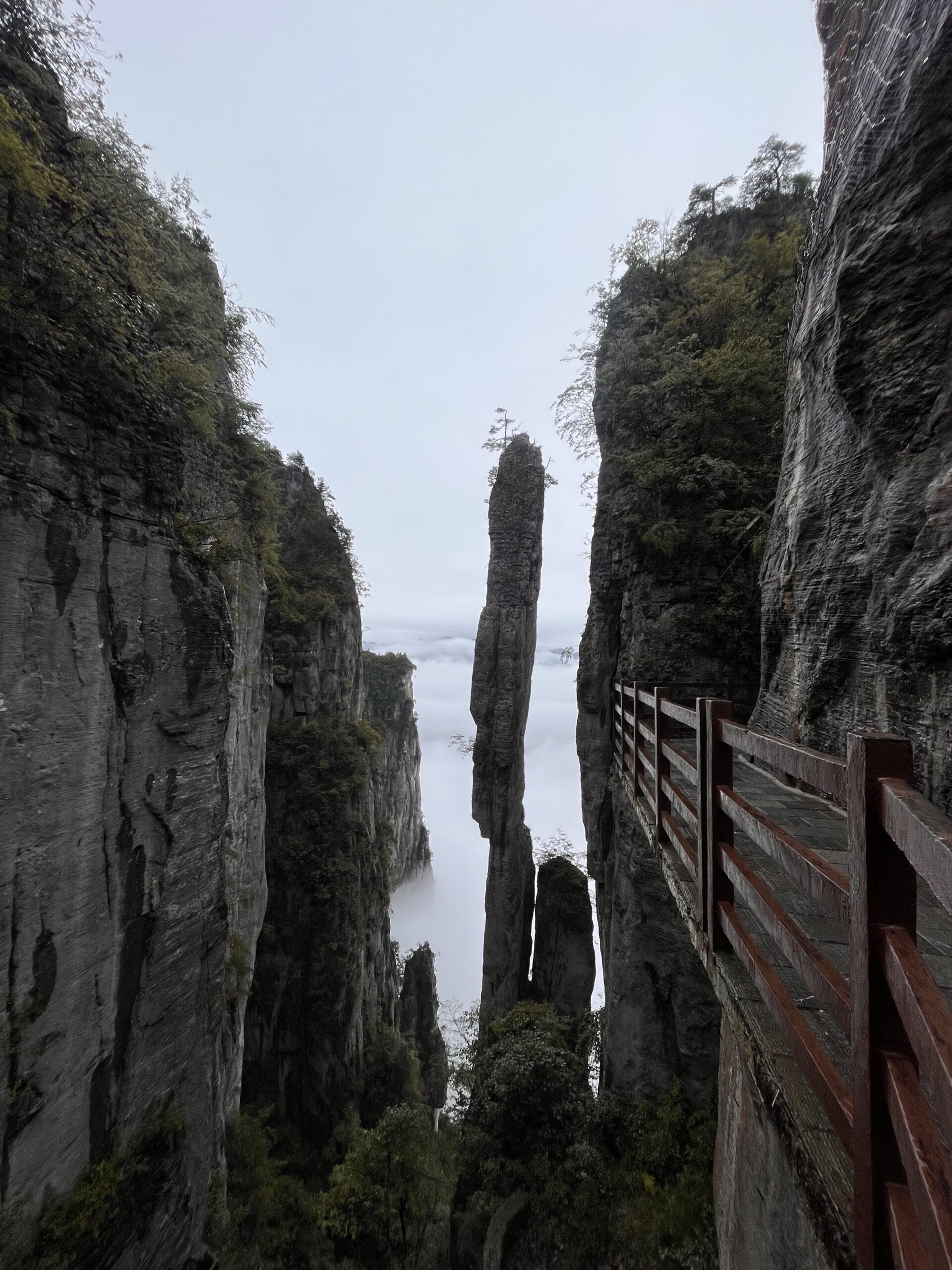
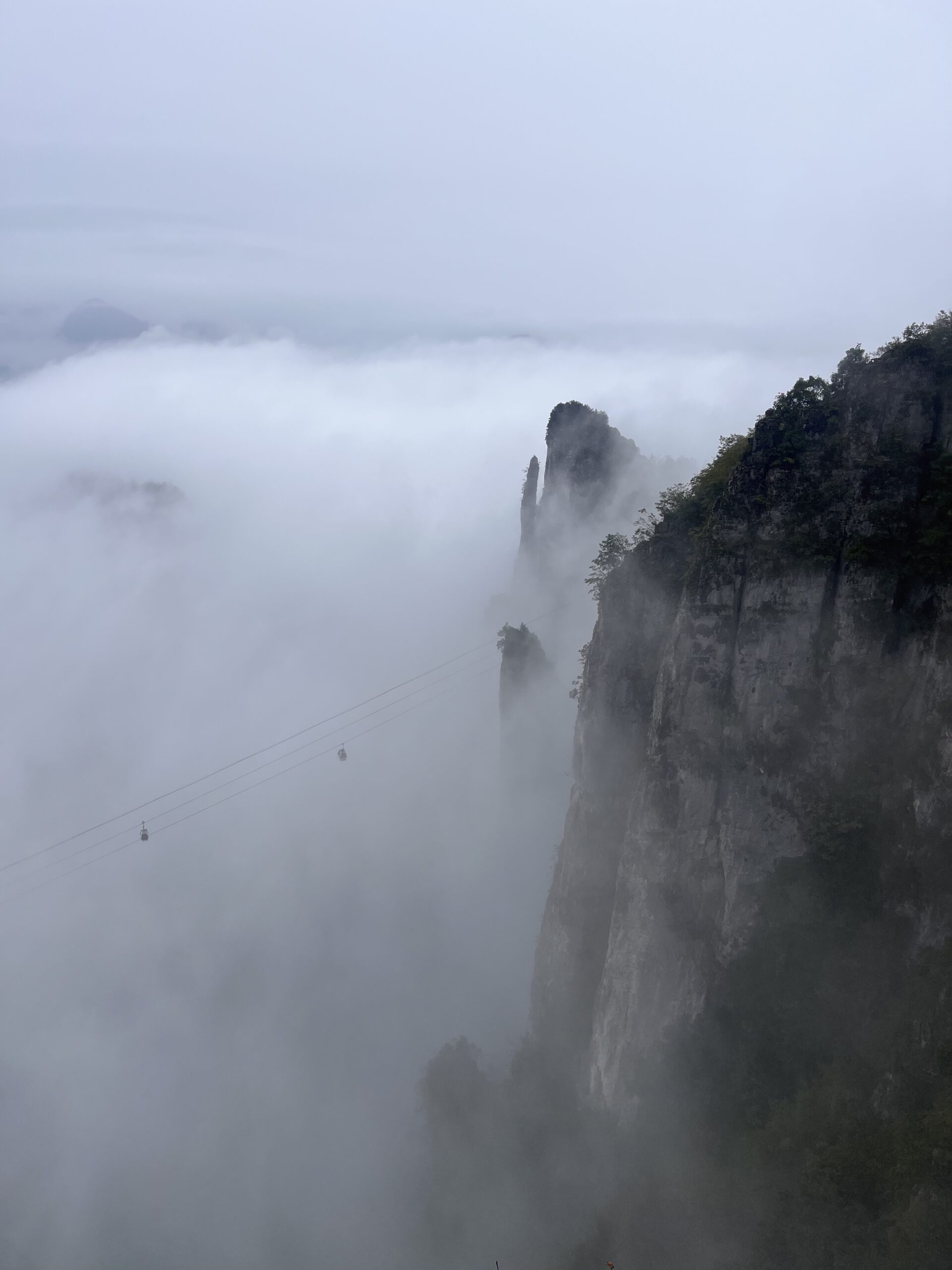
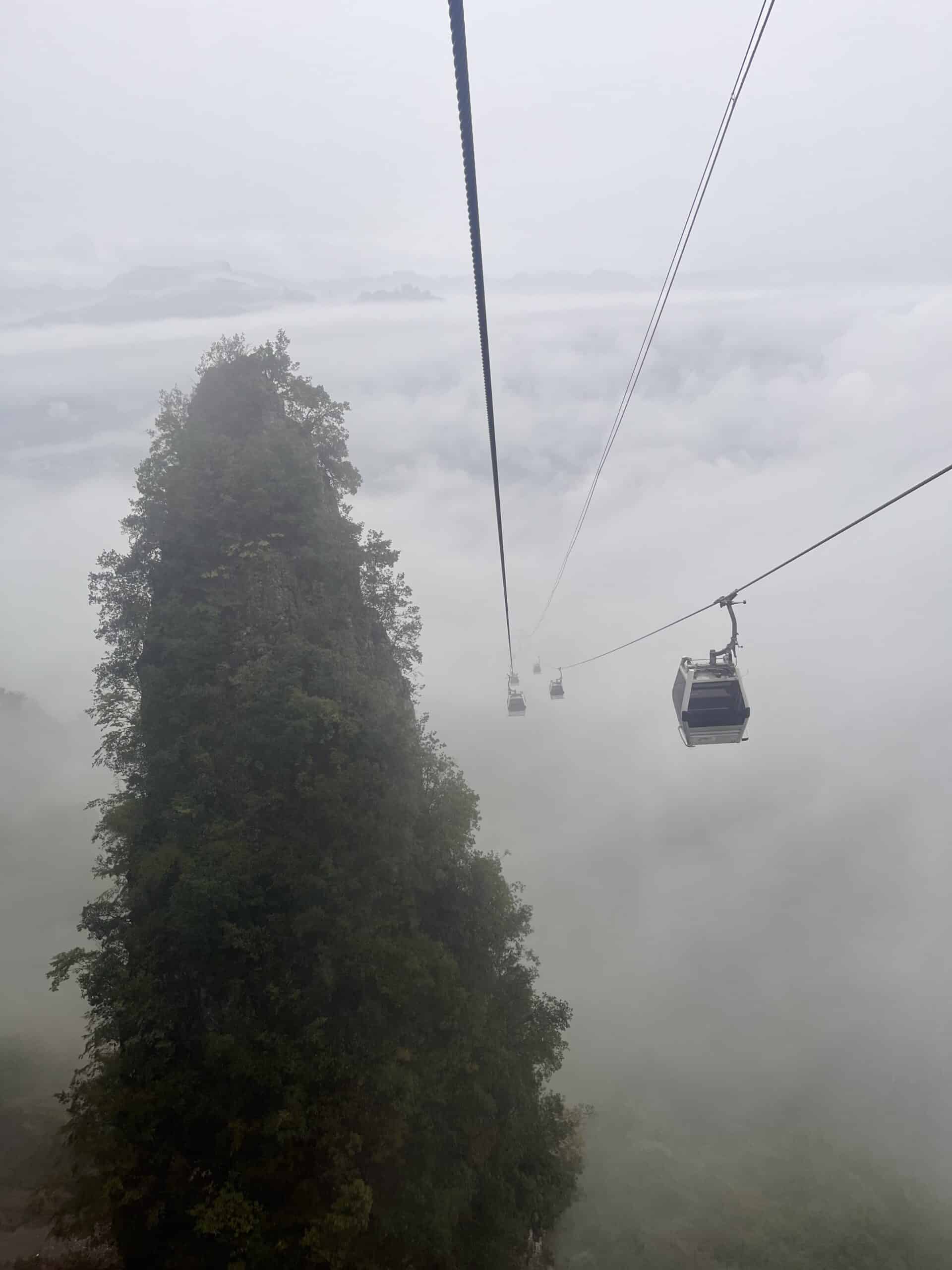
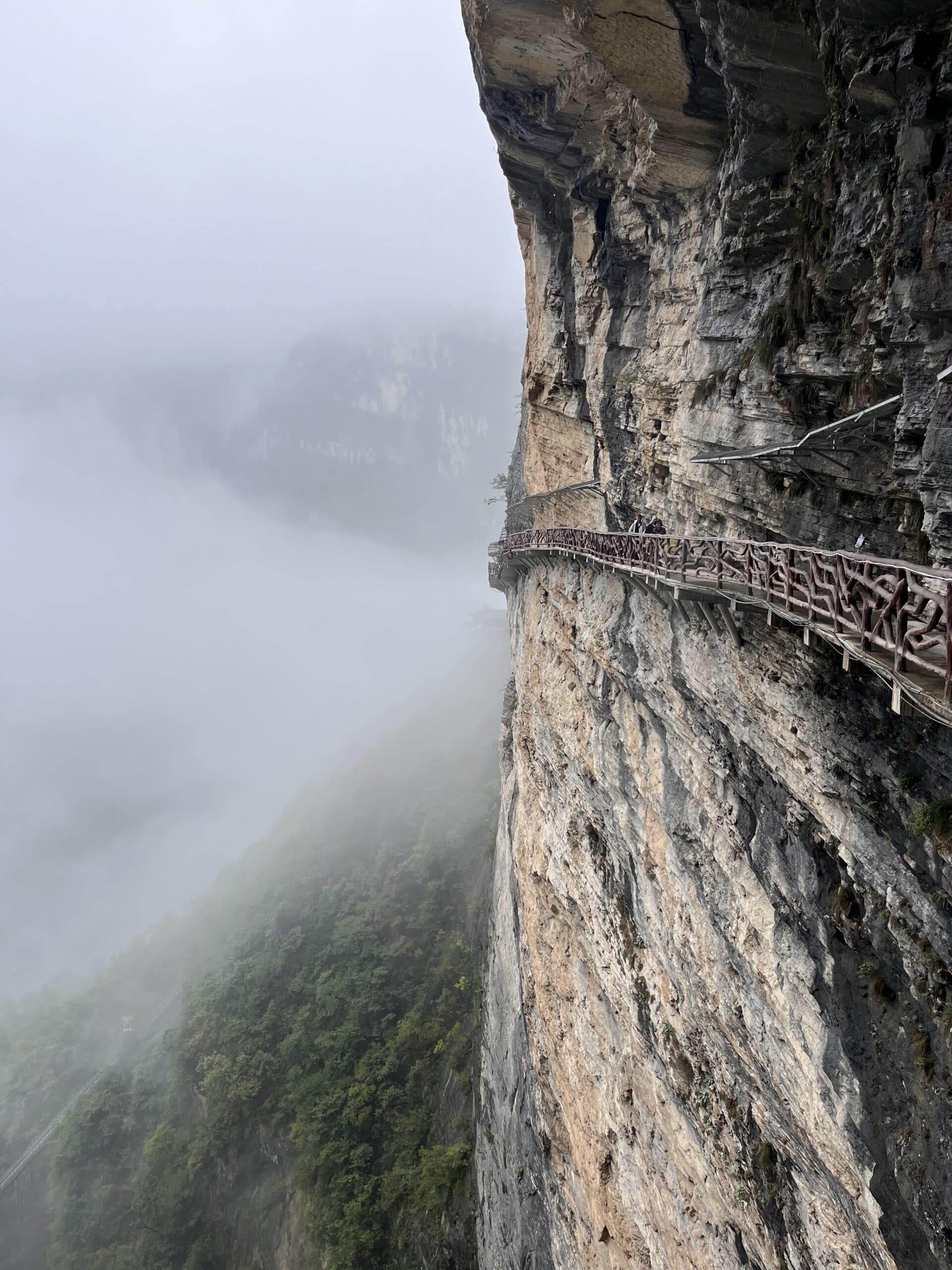
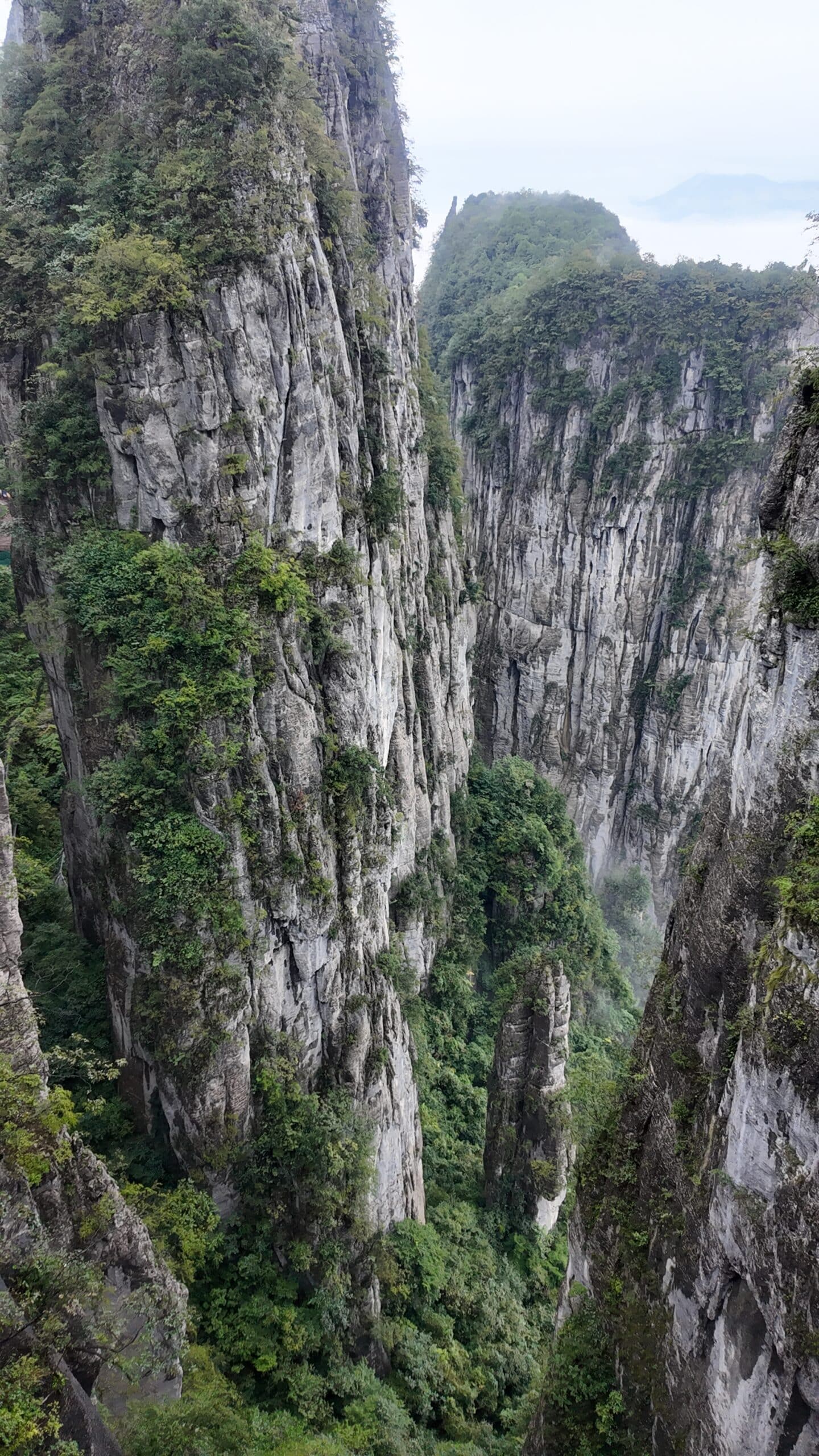
A striking karst canyon, still off the main tourist radar
Enshi, in western Hubei province, is home to Enshi Grand Canyon (Enshi Daxiagu), a dramatic karst landscape often nicknamed the “Grand Canyon of China”. Sheer cliffs, needle‑like rock pillars, deep gorges, waterfalls and lush slopes create a scenery that feels somewhat similar to Zhangjiajie, but on a more compact scale and with fewer international visitors, especially in low season.
Our local expert Serge describes Enshi as “a great surprise, a magnificent site, and outside peak times much less crowded than Zhangjiajie – though you should still expect plenty of people during Chinese holidays.”
Cliffside walkways, thrilling views and hiking
The main attraction at Enshi is the hiking experience itself:
-
- Long cliffside walkways (plank roads) bolted into the rock, high above the gorge.
- Trails weaving between steep, mostly bare rock pillars, which makes the vertical relief feel even more intense.
- Stairs, viewing platforms, funicular, cable car and some glass bridges or platforms for those who enjoy a bit of adrenaline.
Serge often compares the feeling to Tianmen Mountain near Zhangjiajie: you really get the sense of walking above the void, with sweeping vistas over the canyon. Classic routes include the Yunlong Ground Fissure area and the Seven Star Village section, which combine gorges, ridges and walkways in a full day of exploration.
Enshi vs Zhangjiajie – Local insight
Enshi’s scenery clearly echoes Zhangjiajie’s mix of peaks, fog and forest. Yet Serge highlights some key differences:
-
- More compact: the scenic area is smaller and easier to cover in 1–2 days.
- Steeper, barer pillars: many rock formations are less covered with vegetation, which accentuates their slender, vertical look.
- Stronger sense of exposure: the cliff walkways and plank roads give a powerful feeling of height, similar to Tianmen’s glass paths.
- Fewer foreign visitors: outside national holidays, you’re likely to meet mostly Chinese tourists.
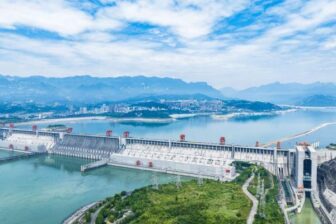
On the flip side, getting to Enshi is less straightforward, and there is currently no simple direct high‑speed rail link between Enshi and Zhangjiajie. This means Enshi works best in combination with Chongqing, Yichang / Three Gorges, or Wudangshan, rather than as just an add‑on to a classic Zhangjiajie trip.
Getting there, high‑speed trains and time needed
Enshi is connected by China’s high‑speed rail network, but sits slightly off the most direct tourist routes:
-
- From Chongqing: about 2–2.5 hours by high‑speed train to Enshi City.
- From Yichang (Three Gorges area): roughly 2 hours by train.
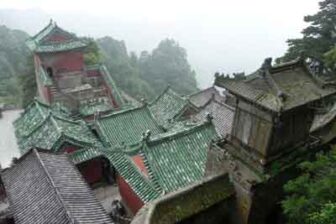
- From Wudangshan: around 7 hours by high‑speed train, typically one train per day.
Serge’s advice is clear: Enshi is great to pair with Chongqing or Yichang, but not ideal if you’re already short on time and trying to squeeze it into a Zhangjiajie‑only itinerary.
Suggested time on site:
-
- 1 full day for a good overview of the canyon and main walkways.
- 2 days if you love hiking and want to add nearby sights such as Tenglong Cave.
Best time to visit Enshi
Local guides generally recommend:
-
- Late April to September as the prime window for green scenery, waterfalls and good trail conditions.
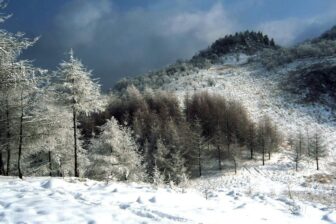
- Winter can still offer clear views, but some trails may be slippery or partially closed.
- During Chinese peak seasons (Golden Week, summer holidays), expect significant crowds, even though Enshi is still less famous internationally than Zhangjiajie.